GI Endoscopy for Pets in Stony Plain, AB
GI endoscopy, also known as upper gastrointestinal endoscopy, is a minimally invasive diagnostic procedure used to examine the esophagus, stomach, and the first portion of the small intestine (duodenum). At Stony Plain Vet Clinic, we offer advanced GI endoscopy in Stony Plain, AB to help diagnose and sometimes treat digestive conditions in dogs and cats without the need for traditional exploratory surgery.
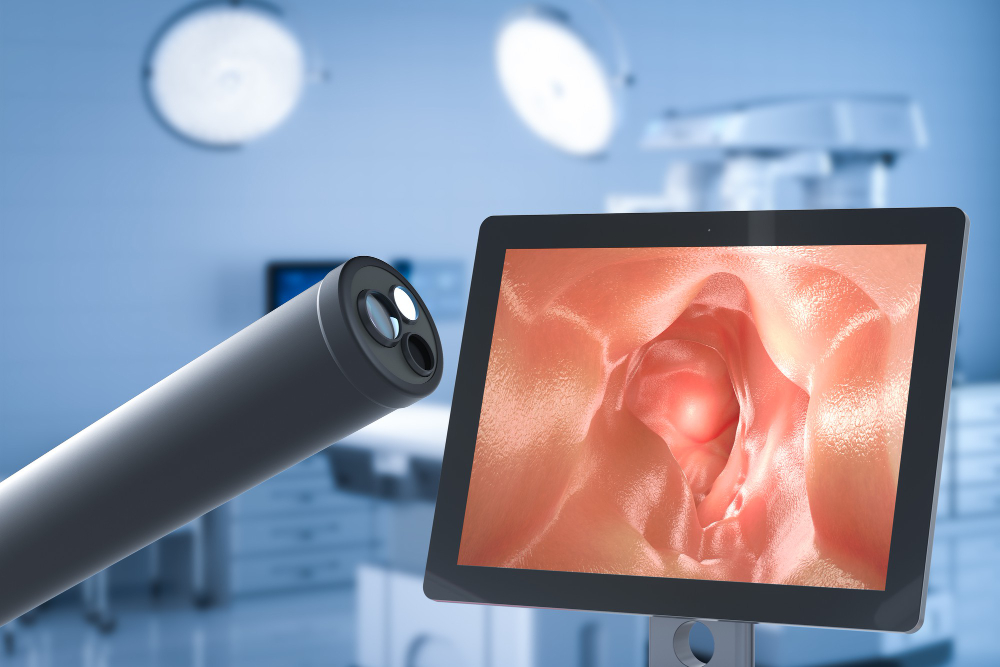
Using a thin, flexible tube equipped with a light and high-definition camera, our veterinary team can directly visualize the lining of your pet’s upper digestive tract in real time. This allows for accurate diagnosis of inflammation, ulcers, foreign material, masses, and other abnormalities.
How Is GI Endoscopy Performed?
- Preparation: Your pet will need to fast prior to the procedure to ensure an empty stomach. Our team will provide detailed instructions and review your pet’s medical history beforehand.
- Procedure: Your pet is placed under anesthesia for comfort and safety. The endoscope is gently guided through the mouth into the esophagus, stomach, and duodenum.
- Examination: High-resolution images are displayed on a monitor, allowing the veterinarian to carefully evaluate the digestive lining for abnormalities such as inflammation, bleeding, ulcers, or masses.
- Biopsy & Treatment: If needed, small instruments can be passed through the endoscope to collect tissue samples (biopsies) or retrieve certain foreign objects.
- Recovery: After the procedure, your pet is monitored during recovery from anesthesia. Mild throat irritation or temporary drowsiness may occur but typically resolves quickly.
Why Would a Pet Need GI Endoscopy?
GI endoscopy serves both diagnostic and therapeutic purposes. It may be recommended to:
- Investigate chronic vomiting or diarrhea
- Evaluate unexplained weight loss
- Assess difficulty swallowing
- Diagnose gastritis, ulcers, inflammatory bowel disease (IBD), or masses
- Retrieve certain swallowed foreign objects
- Monitor response to treatment for ongoing digestive conditions
Benefits of Veterinary GI Endoscopy
- Minimally Invasive: Avoids large surgical incisions and typically allows for faster recovery.
- Accurate Diagnosis: Direct visualization provides detailed information about the digestive tract.
- Biopsy Capability: Tissue samples can be collected for laboratory analysis without major surgery.
- Reduced Recovery Time: Most pets return home the same day.
Risks & Considerations
GI endoscopy is generally very safe, especially when performed by an experienced veterinary team. As with any procedure involving anesthesia, there are small risks. Rare complications may include bleeding or irritation. We carefully evaluate each pet beforehand to ensure they are good candidates for the procedure.
Preparing for Your Pet’s Endoscopy
- Follow all fasting and medication instructions provided by our team.
- Inform us of any medications or supplements your pet is taking.
- Arrange transportation home, as your pet may be drowsy after anesthesia.
GI endoscopy is a valuable tool for diagnosing and managing digestive disorders in pets. If your dog or cat is experiencing ongoing gastrointestinal symptoms, call (780) 963-2258 to learn whether endoscopy may be appropriate.
GI Endoscopy FAQs
Is GI endoscopy painful for pets?
No. Pets are placed under anesthesia during the procedure, so they do not feel pain. Mild throat irritation afterward is possible but typically short-lived.
How long does a GI endoscopy take?
The procedure usually takes 20 to 45 minutes, depending on the complexity of the case and whether biopsies are collected.
Will my pet need to stay overnight?
Most pets go home the same day once they have recovered from anesthesia, unless additional monitoring is required.
Can GI endoscopy replace surgery?
In some cases, yes. Endoscopy allows for visualization and biopsy without major surgery, though certain conditions may still require surgical intervention.
When should I consider endoscopy for my pet?
If your pet has chronic vomiting, diarrhea, weight loss, or difficulty swallowing, your veterinarian may recommend endoscopy to determine the underlying cause.